Educational guide on organizing meals for modern lifestyles
Weekly meal planning represents a method of organizing food consumption across a seven-day period. This approach involves determining meals in advance, considering nutritional variety, and aligning food choices with daily activities and schedules.

The concept emerged from household management practices and has evolved with contemporary understanding of nutrition and time management. It encompasses consideration of ingredient availability, preparation methods, and the relationship between eating patterns and lifestyle demands.
This educational resource explores various aspects of meal planning without prescribing specific actions for individuals. The information presented describes common approaches and considerations that exist within the broader context of food organization.
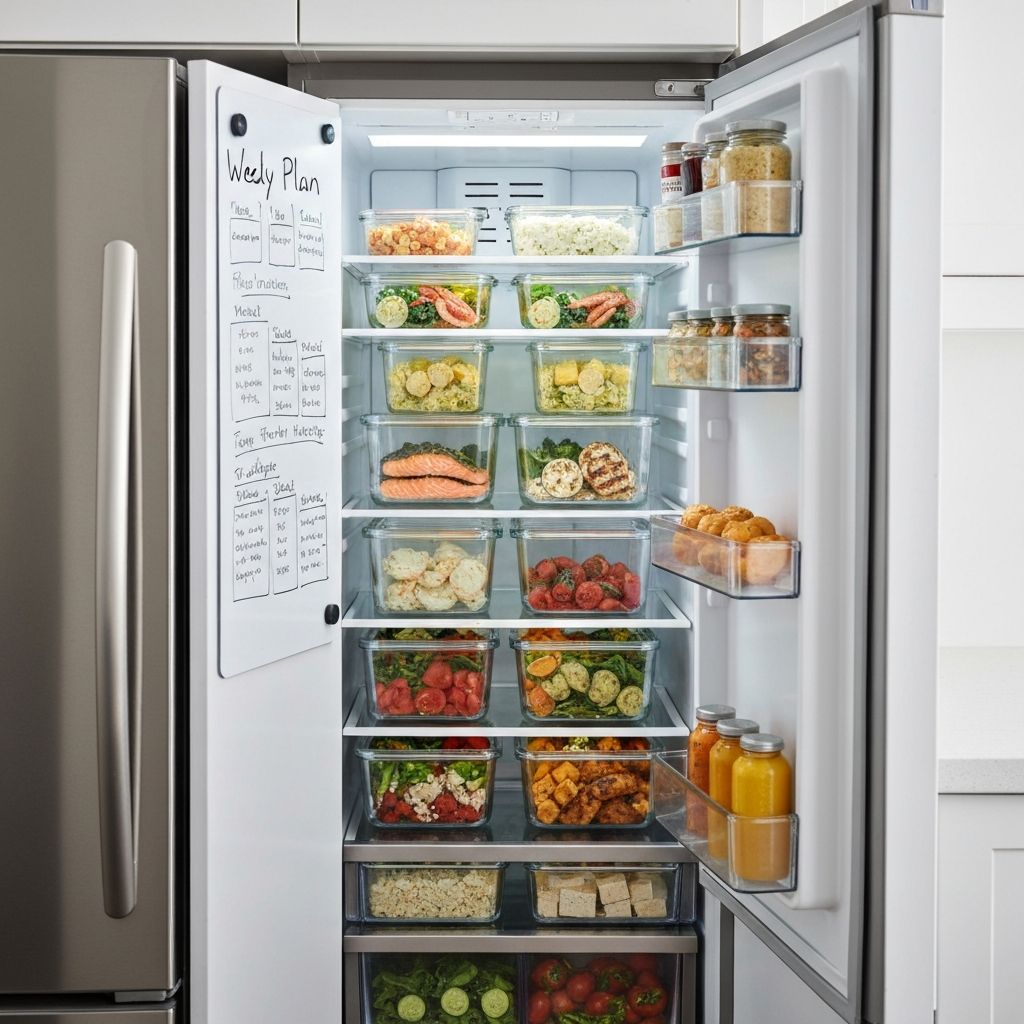
Structured meal schedules provide a framework for organizing food consumption throughout the week. This approach allows individuals to consider nutritional balance, ingredient diversity, and time allocation for meal preparation.
When meals are planned in advance, it becomes possible to visualize the distribution of different food groups across multiple days. This perspective helps in understanding how various nutrients might be incorporated throughout a week.
The practice of scheduling meals can also influence shopping patterns and kitchen organization. By knowing which ingredients will be used and when, individuals can make more informed decisions about food purchases and storage.
The integration of meals into daily routines involves considering the relationship between eating times and other activities. Work schedules, physical activity, and social commitments all play a role in determining when and how meals fit into a day.
Different lifestyles present unique circumstances for meal timing. Some individuals may have consistent daily schedules, while others experience varying patterns throughout the week. Understanding these patterns can inform how meals are organized and prepared.
The concept of meal integration extends beyond simply choosing what to eat. It includes consideration of preparation time, the portability of meals, and the flexibility needed to adapt to changing circumstances.
Several common challenges arise when individuals begin organizing meals on a weekly basis. One frequent issue involves overestimating the amount of time available for meal preparation, leading to plans that may not align with actual schedules.
Another consideration is the failure to account for ingredient freshness and storage requirements. Different foods have varying shelf lives, and plans should consider which items need to be consumed earlier in the week.
Lack of flexibility can also present challenges. While structure is beneficial, rigid plans may not accommodate unexpected schedule changes or variations in appetite and preferences throughout the week.
An educational exploration of various approaches to organizing meals across a seven-day period, including considerations for different lifestyle patterns.
Read in detailUnderstanding how contemporary schedules influence meal organization and the various factors that affect food planning in modern contexts.
Read in detailAn informational overview of how nutritional variety can be distributed throughout a weekly meal plan and related considerations.
Read in detailWeekly meal planning is an organizational method where meals are determined in advance for a seven-day period. This approach helps visualize food consumption patterns and consider nutritional variety across multiple days.
Modern lifestyles often involve varied schedules, work commitments, and time constraints. Meal planning provides a framework for organizing food preparation within these contexts, allowing individuals to consider how meals fit into their specific routines.
Multiple factors influence how individuals approach meal planning, including available preparation time, ingredient accessibility, storage capabilities, dietary preferences, and the variability of daily schedules throughout the week.
No. This site presents educational information about meal planning as an organizational concept. It does not provide personalized dietary recommendations or medical advice. Individuals should consult appropriate professionals for personal guidance.
The information provided on this website is educational in nature and describes general concepts related to weekly meal planning. This content does not constitute individual dietary recommendations or medical advice.
Different individuals have unique nutritional needs, health conditions, and lifestyle circumstances. The approaches described here represent informational overviews rather than prescriptions for specific actions.
Readers seeking personalized guidance should consult qualified professionals such as registered dietitians, nutritionists, or healthcare providers who can assess individual circumstances.
This resource exists to explain meal planning concepts, not to advise on personal dietary decisions or health outcomes.
Explore more educational content about meal planning and food organization throughout our articles.
Explore furtherEducational content only. No medical services. No promises of outcomes. This site provides informational content about meal planning concepts and does not offer medical advice, treatment, or guaranteed results.